What Goes in Your Trash Cart — And What Absolutely Doesn't
Bowdon Disposal
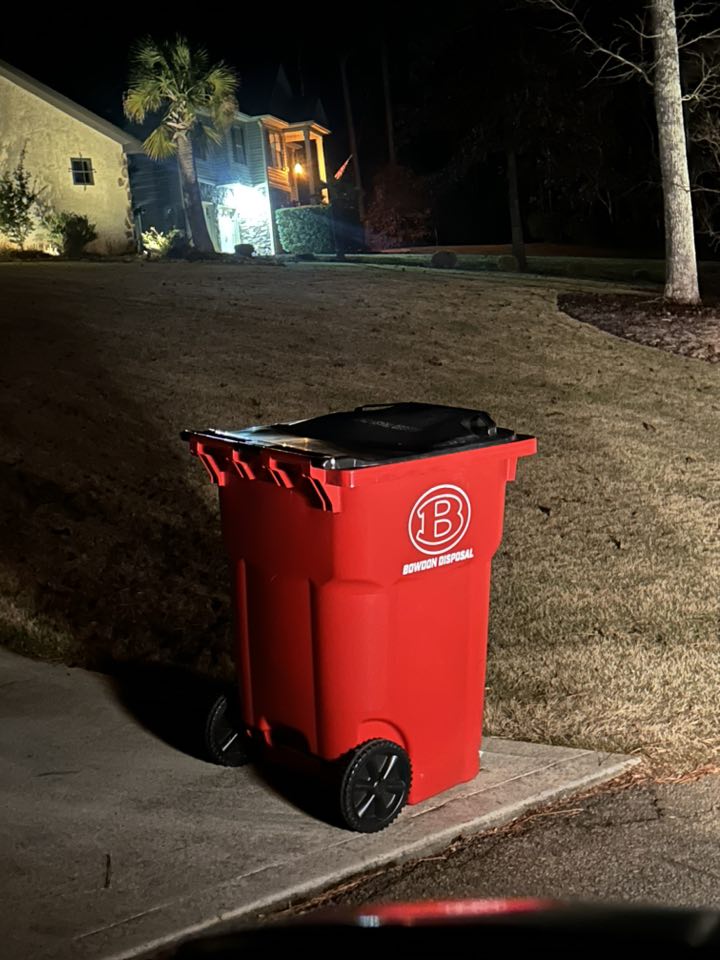
The Short Version
If it’s regular household trash — food scraps, packaging, bags, paper, everyday junk — it goes in the cart. Bag it, close the lid, put it out the night before your pickup day. Done.
The cart is 95 gallons. That handles a lot.
But not everything. The stuff that doesn’t go in the cart is specific enough that it’s worth knowing before your crew comes around. Some of these items damage equipment. Some are fire or chemical hazards. Some can injure the people on the truck. None of them belong in a residential waste cart.
What’s Always Welcome
The short list: normal household trash.
- Bagged food waste and kitchen scraps
- Cardboard boxes (broken down flat if large)
- Paper, junk mail, and packaging
- Plastic bags and soft plastics
- Clothing and linens (no sharp objects inside)
- Small household items and clutter
- Broken glass (double-bagged for safety)
- Dried paint cans (lid open to confirm fully dry)
If the lid closes completely and nothing is sticking out, you’re good.
Yard Waste Is Different
Yard waste never goes inside your cart — not even bagged grass clippings or small branches. Take it to your county convenience center instead. Full cart rules at bowdondisposal.com/cart-rules. Fairfield Plantation residents have their own yard-waste arrangement; see the cart rules for details.
What Never Goes in the Cart
Batteries of any kind. Car batteries, lithium-ion batteries, household AA/AAA — all of them. Lithium batteries especially are a fire hazard inside a compactor truck. Take them to a battery drop-off or a hardware retailer.
Spray paint and aerosol cans. Pressurized cans can explode under the compactor. When in doubt, leave them out.
Ceramic pots, dishes, and planters. This surprises people. Ceramic is heavy and can shatter into sharp shards that injure our crew. That includes flower pots, clay planters, terra cotta, broken dishes, and any ceramic items.
Tires. We don’t take tires. West Georgia residents can bring tires to county convenience centers or automotive retailers.
Large appliances. Refrigerators, washing machines, dryers, dishwashers — these need a special pickup arrangement. Call us at (470) 943-3355 to discuss options.
Hot ashes or coals. From fire pits, grills, and fireplaces. Wait at least 48 hours and douse thoroughly with water before disposing. Hot material in a trash cart is a fire risk.
Liquid paint. Dried paint is fine — leave the lid off the can until fully hardened. Wet paint can spill and cause contamination.
Electronics. TVs, monitors, computers, printers. West Georgia counties have e-waste drop-off programs — check with your county for locations.
Propane tanks and compressed gas. Even “empty” tanks aren’t truly empty.
Construction debris. Concrete, lumber, drywall, dirt, roofing material — this requires a dumpster or separate haul-out service. Call us if you’re doing a renovation project.
Hazardous materials. Chemicals, pesticides, motor oil, solvents. Many counties host periodic hazardous waste collection events.
Medical waste and sharps. Needles require proper sharps containers and disposal through a pharmacy or medical facility.
Hunks of metal. Scrap metal, car parts, engine blocks. These go through a scrap metal dealer.
When You’re Not Sure
Call us at (470) 943-3355 and we can tell you whether something is safe for the cart or point you toward the right disposal method. We’d rather answer a two-minute question than have something unsafe come through on the route.
You can also reach us at office@bowdondisposal.com.
The Lid Test
Whatever goes in, the lid must close completely. If trash is piled high enough that the lid won’t close, it won’t be collected. If you’re regularly overflowing a single cart, it might be time to upgrade to two — see your options at bowdondisposal.com/pricing.
Nothing sticking out. Lid fully closed. Cart at the curb. That’s all it takes.